EV tax · Updated 11 Nov 2026
Excise on imported EVs set to rise to 35% from 1 January 2027
On 3 November 2026 the Cabinet approved a 35% excise rate, up from 10%, for battery EVs not built in Thailand under the Excise Department’s criteria. Thai-built EVs that meet the criteria stay at 2%. The aim is to bring investment in car and parts production to Thailand.
- Cabinet decision
- 3 Nov 2026
- Takes effect
- 1 Jan 2027
- BEV not built in Thailand
- 10% → 35%
- Imported REEV
- 15% → 35%
- Thai-built EV meeting criteria
- 2%
- Legal status
- Not yet law
Mobile Cabinet meeting, Udon Thani
Once the regulation is gazetted
Ad valorem rate
As stated by the Finance Minister
Unchanged
Draft vetted by the Council of State; Kaohoon reports it awaits the Finance Minister’s signature
What the policy aims to do
Bringing EV and parts production to Thailand. Part of the government’s New Growth Engine goal.
The Cabinet resolution says the restructure aims to make Thailand’s car and parts industry more competitive over the long term, to use excise to strengthen the supply chain, and to raise workforce skills for the clean-vehicle industry of the future. The government says Thai car and parts makers stand to gain in production and employment across the supply chain.
Investment-Driven Import
Imports that draw in investment
Regional and Global EV Hub
A hub for exporting clean vehicles
High Value-Added Local Content
More use of high-value parts made in Thailand
The three principles as set out by Deputy PM and Finance Minister Dr Ekniti Nitithanprapas, whose stated goals are a stronger production chain, jobs for Thai people and higher Thai workforce skills · Government PR Department, 3 Nov 2026
Investor interest
Since the Cabinet decision, more than 10 new carmakers from China, Europe and Japan have contacted the Excise Department to discuss investing in Thailand, on top of about 8 makers that already build EVs here.
Excise Director-General Pornchai Thiravet · Thansettakij, 6 Nov 2026- EV models with Thai-built versions
- 22
- EV registrations built in Thailand
- 46.5%
- Thai-built EVs meeting criteria
- 2%
- Expected extra revenue
- ฿3.5 billion
18 in every version, 4 in some · evchu catalogue vs the ECO Sticker register
of 2026 registrations matched to a model; another 14.4% are models with both imported and Thai-built units
Unchanged
Per the Cabinet resolution; may fall if Thai production grows
Best-selling imports
This year’s 8 best-selling imported EVs. How much prices change depends on how much of the tax brands pass on.
Theoretical maximum: the price at which the importer nets the same as today after paying 35%. Price +44.7%
Assumes the car pays 10% today and 35% next year, with other costs and margins unchanged. The “+10%” tick is the most one senior executive at a Chinese carmaker expects some imports to rise (The Nation, 4 Nov 2026). Real prices set by brands may differ widely.
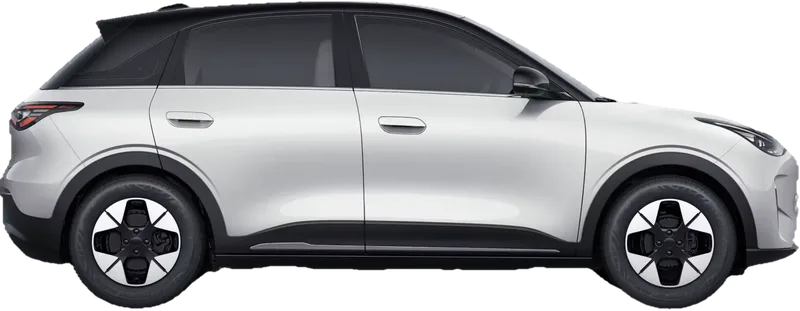
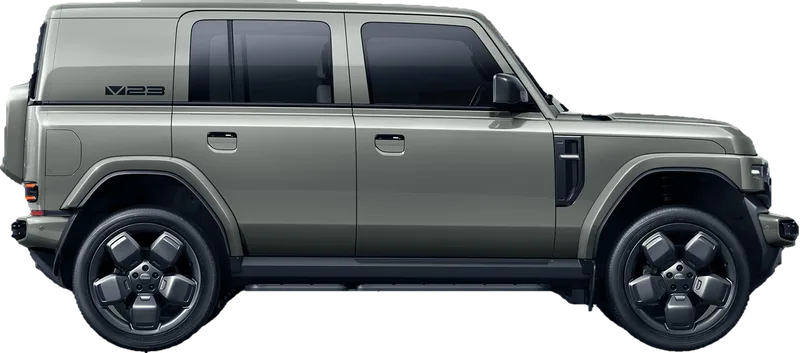
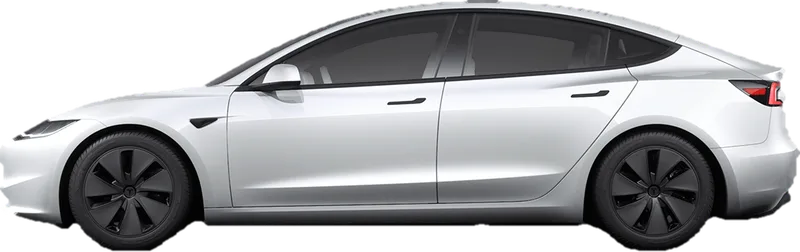
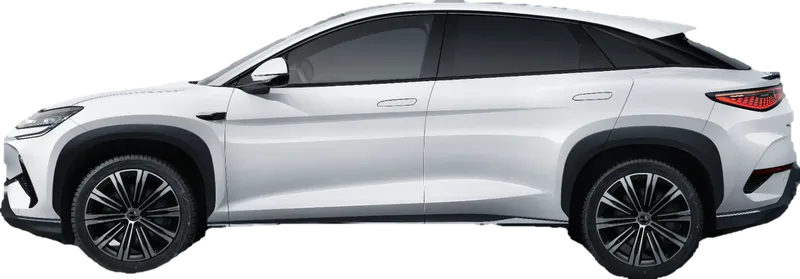
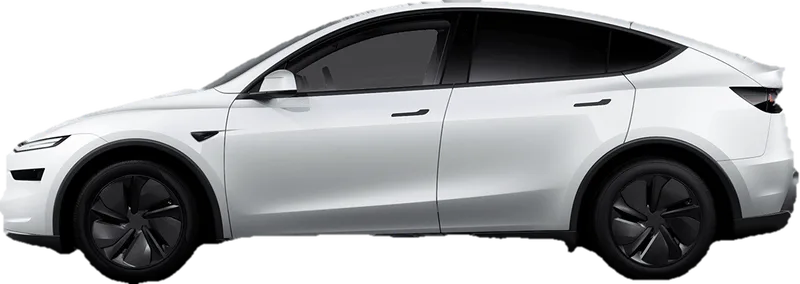
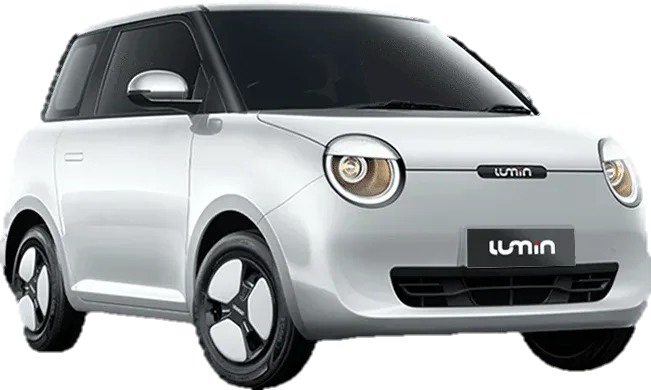
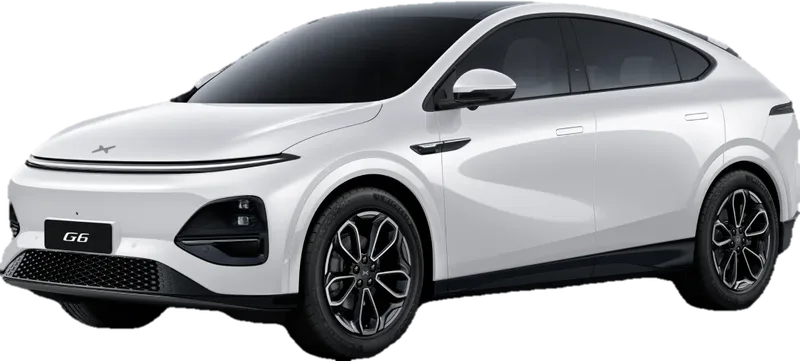
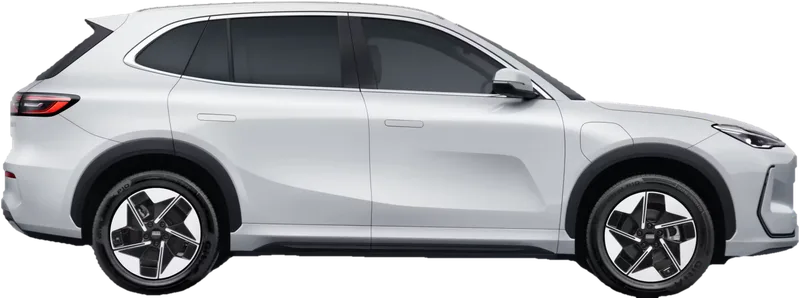
Thai-built: stays at 2%
The 4 best-sellers built in Thailand all through 2026
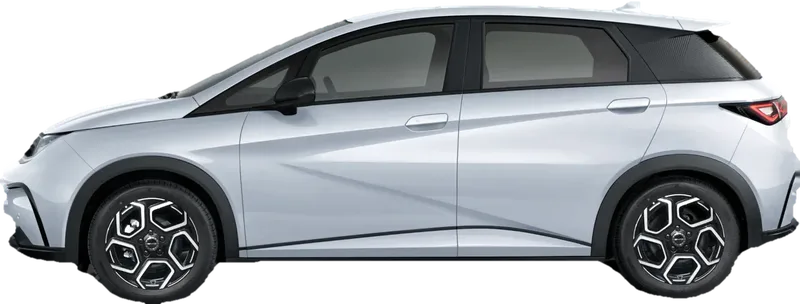
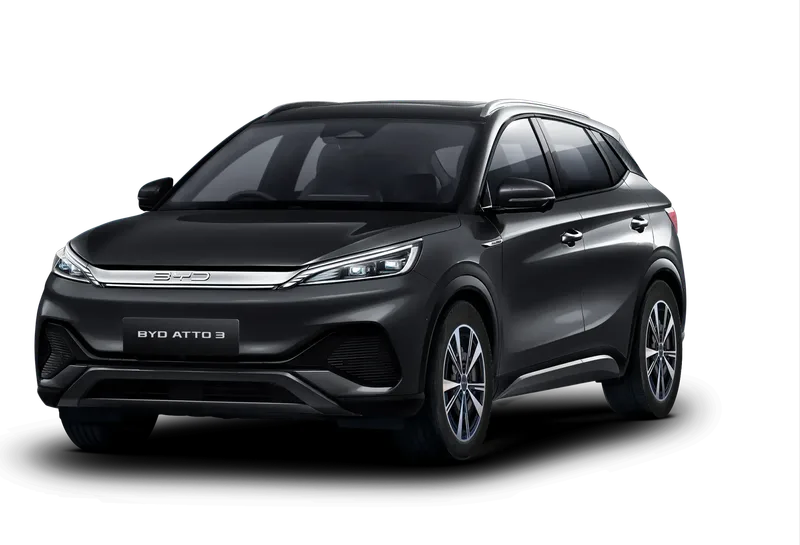
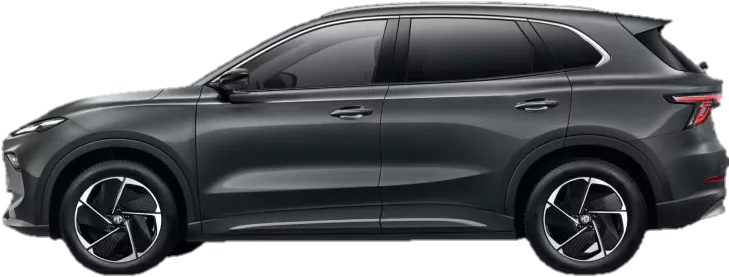
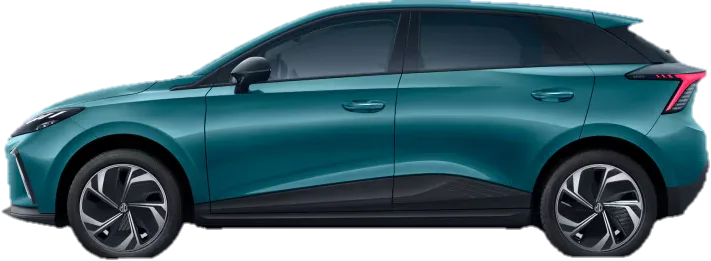
* Model-level registrations Jan and Apr–Jul 2026 (no model-level data for Feb–Mar), from the Department of Land Transport and Autolife Thailand · starting prices from evchu’s catalogue · status from the ECO Sticker register · 2027 prices are evchu estimates, not brand prices
Which cars it applies to
117 of the 140 EVs in evchu’s catalogue are imported. 18 are built in Thailand.
Each model’s status comes from the government ECO Sticker register (Office of Industrial Economics), which states whether a car is imported or produced in Thailand and prints the excise rate filed for it. The arrow on each row opens the official record.
“Rate on sticker” is the rate printed when the model’s latest ECO Sticker was approved. Some imports still show 2% or 8% because they were approved under EV 3.0/3.5 or before 2026; new imports in 2026 pay 10%. “Thai-built” means produced or assembled in Thailand per the register. The 35% rate applies to cars imported from 1 Jan 2027. evchu’s catalogue does not include every BEV on the register. Register data as of 11 Nov 2026. Models missing from the register use evchu’s brand research. * evchu estimate at the share set above, not an official price.
How the tax works
It is charged on the showroom price, not the import price. And the tax sits inside that price.
The law says the suggested retail price may not be lower than the price consumers actually pay, so the tax is worked out on a price that already contains it. If a brand passed the whole increase on, the price would rise by more than the 25 points in the headlines. If the price stays put, the importer absorbs the extra tax.
Sources: Excise Tax Act B.E. 2560, s.17(1) · Excise Department calculation sheet
The last two rows are arithmetic bounds, not a price forecast. Brands can cut margins, re-file the suggested retail price, move production to Thailand or sell cars already imported, so real prices can land far lower.
Cars already imported
The tax falls due on import, not when you book or take delivery.
Already taxed at today’s rate
Excise liability arises together with import duty under customs law, so a car already imported was taxed at the rate then in force. Nothing published suggests the new rate is retroactive.
Taxed at the rate on the day it leaves
A car taken out of bond from 1 Jan 2027 pays the rate in force that day, unless the final regulation adds a transition rule.
Depends on when that car was imported
The booking date does not set the tax, and the price you pay is the brand’s decision. Ask the dealer whether your car is already imported and get the price confirmed in writing.
“ในกรณีสินค้าที่นำเข้า ให้ถือว่าความรับผิดในอันจะต้องเสียภาษีเกิดขึ้นในเวลาเดียวกับความรับผิดในอันจะต้องเสียอากรศุลกากร… เว้นแต่ในกรณีสินค้าที่นำเข้ามาเพื่อนำเข้าไปในคลังสินค้าทัณฑ์บน… ให้ถือว่าความรับผิด…เกิดขึ้นในเวลาที่นำสินค้าออกจากคลังสินค้าทัณฑ์บน”
“In the case of imported goods, the excise burden begins simultaneously when the import duties … begin; provided that, the imported goods is taken to be maintained in bonded warehouse … the excise burden begins when such goods is taken from bonded warehouse.” (Excise Department’s English text)
Excise Tax Act B.E. 2560, section 21(2) · No rule yet for stock or bookings; Excise has invited importers to talk (Kaohoon, 5 Nov 2026)What stays the same
Thai-built EVs that meet the criteria still pay 2%.
Thai-built EVs: 2%
For BEVs the draft only changes the “other” line. The 2% rate for cars meeting the Excise Director-General’s criteria stays as set in Regulation No. 23. From 2026 EV 3.5 makers must use batteries or parts made in Thailand. Finance officials have described a possible future structure (see Details pending).
Ministerial Regulation No. 23, B.E. 2565 (Gazette, 8 Jun 2022)EV 3.5 subsidy in 2027
Under the EV 3.5 notification of 28 Dec 2023, already in force, Thai-built cars priced up to ฿2 million that are sold by 31 Dec 2027 and registered by 31 Jan 2028 get ฿25,000 (10–50 kWh) or ฿50,000 (50 kWh and above). A published draft amendment sets 30 Jun 2028 as the claim deadline.
Excise Department explanatory memo on the draft amendmentImport duty on Chinese EVs: 0%
The Customs Director-General says fully built EVs pay 0% import duty under free-trade agreements, especially with China, which is why excise is the government’s main lever.
Customs Director-General, as reported by Bangkok Biz News, 28 Sep 2026PHEVs: a safety condition is added
The same draft places PHEVs not made with Thai batteries and parts on an “other” line of 15% up to 3,000 cc (2027–2029, then 20% from 2030) and 30% above 3,000 cc, the same rates Regulation No. 23 already sets. What is new is a 35% rate for PHEVs that miss criteria such as ADAS.
Cabinet resolution, 3 Nov 2026, item 6Last time
When the rules last changed, registrations bunched into January.
In January 2026, the month the previous changes took effect, 40,465 battery-electric passenger cars were registered, about 3.3 times January 2025; new passenger-car (รย.1) registrations of all fuels reached 85,100. In February BEVs stood at 4,790. On 1 January 2026 the “other” BEV rate went from 8% to 10%, the EV 3.5 import window closed and the 2026 step of Regulation No. 23’s car rates took effect. The data shows the timing; it does not show the cause.
New battery-electric passenger-car registrations per month, class รย.1 · Department of Land Transport · full series on evchu EV sales
Of 2026 EV registrations we can match to a model, 39–54% were imported whole
Method: model-level registrations for January from DLT open data and for April–July from Autolife Thailand’s monthly BEV rankings (no model-level data for February–March), matched to each model’s ECO Sticker status. Covers 101,439 cars, 81.6% of new BEV registrations Jan–Jul 2026 (124,373); across all of them the imported share lies between 32% and 62%. The Excise Director-General, counting differently, gave about 188,000 EVs registered Jan–Sep 2026, about 63% imported and 33% made in Thailand (Thansettakij, 6 Nov 2026).
Timeline
From EV 3.0 to 35%
Details pending
8 details still to be announced. We update this page as notices come out.
Publication in the Royal Gazette
The Council of State has vetted the draft; Kaohoon reports it awaits the Finance Minister’s signature. The rate has legal force only once published.
Who still qualifies for 2%
The resolution says the Excise Director-General will set the criteria (local production, local batteries and parts) after the regulation takes effect.
Special rates for investors
The Cabinet asked the Excise Department to study short-term transition measures. The Finance Minister said investors may get special rates (Thai PBS); the Excise Director-General said there will be no additional tax privileges (Thansettakij, 6 Nov 2026).
Import quota at the old rate
A proposal letting Thai producers import some cars at the old rate is not settled (The Nation via Asia News Network, 4 Nov 2026).
Bonded stock and bookings
No transition rule yet; Excise has invited importers to discuss stock.
Thai-assembled cars that miss the criteria
The resolution covers cars “not produced in Thailand / not using Thai batteries and parts”, so the rate for Thai-assembled cars that miss the criteria awaits the criteria notice.
The future rate structure
The Permanent Secretary for Finance described a new Made-in-Thailand rule within about three years, with a 10% floor for compliant makers and around 15–20% for those below the local-content threshold. The Excise Director-General described a tier of “a little over 10%” between 2% and 35% for makers not yet using Thai batteries. None of it is in an official document yet (PostToday, Thansettakij and Kaohoon, 5 Nov 2026).
Where REEVs sit
The Finance Minister says imported REEVs go to 35%, but the draft in the Cabinet resolution has only BEV and PHEV lines. Today’s 15% REEV rate equals the “other” PHEV rate, so how the final regulation classes REEVs remains to be seen.
FAQ
Short answers
Will imported EVs cost 25% more?
Not necessarily. The tax is charged on a retail price that already contains it. By evchu’s arithmetic, if a brand passed everything on, a car now at 10% would cost about 45% more; if it held the price, extra tax of about 26% of the price would fall on the importer. Real prices depend on each brand and may be far lower.
Does the new rate apply to Thai-built EVs?
No. If they meet the Excise Department’s criteria they stay at 2%. In evchu’s catalogue 18 models are Thai-built in every version and 4 more in some versions, per the ECO Sticker register.
If I book before year-end, do I keep today’s price?
The tax falls due on import (or when a car leaves a bonded warehouse), not when you book or take delivery. Cars already imported paid the old rate, but the selling price is the brand’s call. Ask the dealer whether your car is already imported and get the price in writing.
How do I know if a car is imported?
Use the list above, or look the car up on the government ECO Sticker register (car.ecosticker.go.th), which states “imported” or “produced in Thailand” and the excise rate filed for it.
Is it law yet?
Not yet. The Cabinet approved the draft regulation in principle on 3 Nov 2026 and the Council of State has vetted it. It takes effect once the Finance Minister signs and the Royal Gazette publishes it.
What about REEVs and PHEVs?
The Finance Minister says imported REEVs go from 15% to 35%; the draft regulation itself has no separate REEV line. PHEVs not built in Thailand keep their 15–30% rates, with a new 35% rate for those that miss criteria such as ADAS.
What is the policy for?
The Cabinet resolution says it is meant to make Thailand’s car and parts industry more competitive, strengthen the supply chain and raise workers’ skills by encouraging production in Thailand. The government also cites jobs for Thai people. The Finance Ministry expects about ฿3.5 billion more excise, which may fall as Thai production grows.
Citing and sources
Use this page freely. Please credit evchu.
evchu. (2026, November 11). Excise on imported EVs set to rise to 35% from 1 January 2027: which cars are imported and which are Thai-built. https://evchu.com/en/ev-import-tax-2027
Contact the team: contact@evchu.com
Last updated 11 Nov 2026
Official documents and data
Every fact on this page is checked against these government sources
- 01Secretariat of the CabinetCabinet meeting summary, 3 Nov 2026, item 6: draft excise tariff regulation restructuring car excise · 3 Nov 2026
- 02Secretariat of the CabinetFull text of the Cabinet resolution (Word file, Thai) · 4 Nov 2026
- 03Government Public Relations DepartmentCabinet approves excise restructure for imported BEVs and REEVs (Finance Minister’s statement, Thai) · 3 Nov 2026
- 04Royal Gazette · Excise DepartmentMinisterial Regulation on Excise Tariff Rates (No. 23) B.E. 2565, vol. 139 part 37 Kor · 8 Jun 2022
- 05Excise DepartmentExcise Tax Act B.E. 2560, Thai/English (s.17 tax base, s.21 when tax falls due) · 2017
- 06Excise DepartmentHow excise is calculated (ad valorem tax and local-government tax) · —
- 07Royal GazetteExcise Department notification on filing suggested retail prices · 2018
- 08Excise DepartmentEV 3.5 support measures · —
- 09Excise DepartmentExplanatory memo on the draft EV 3.5 amendment · 2026
- 10Board of Investment (BOI)National EV Policy Committee meeting, 25 Nov 2025 · 25 Nov 2025
- 11Office of Industrial Economics, Ministry of IndustryECO Sticker register (imported/Thai-built status and excise rate of each car) · Pulled 11 Nov 2026
- 12Department of Land TransportNew registrations (รย.1) by fuel type · Monthly
- 13Royal GazetteWhere the new regulation will be published once signed · Pending
News cited
- N1Thai PBSCabinet raises BEV/REEV excise to 35% (Thai) · 3 Nov 2026
- N2KaohoonExcise Department on the 35% rate (Thai) · 5 Nov 2026
- N3Thansettakij10+ carmakers from China, Europe and Japan interested in investing (Thai) · 6 Nov 2026
- N4ThansettakijPermanent Secretary for Finance on the EV tax structure (Thai) · 5 Nov 2026
- N5PostTodayExcise to restructure EV tax in 2027 (Thai) · 5 Nov 2026
- N6The Nation via Asia News NetworkImported EV prices could rise up to 10% after Thai tax hike · 4 Nov 2026
- N7Bangkok Biz NewsCustoms Director-General on EV import duty under FTAs (Thai) · 28 Sep 2026
- N8ThansettakijIndustry groups prepare EV import-tax proposal (Thai) · 12 May 2026
- N9Autolife ThailandMonthly BEV registrations (Thai) · 2026